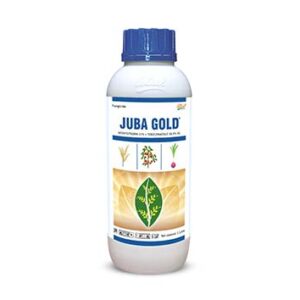
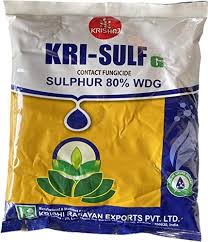
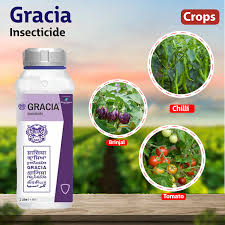
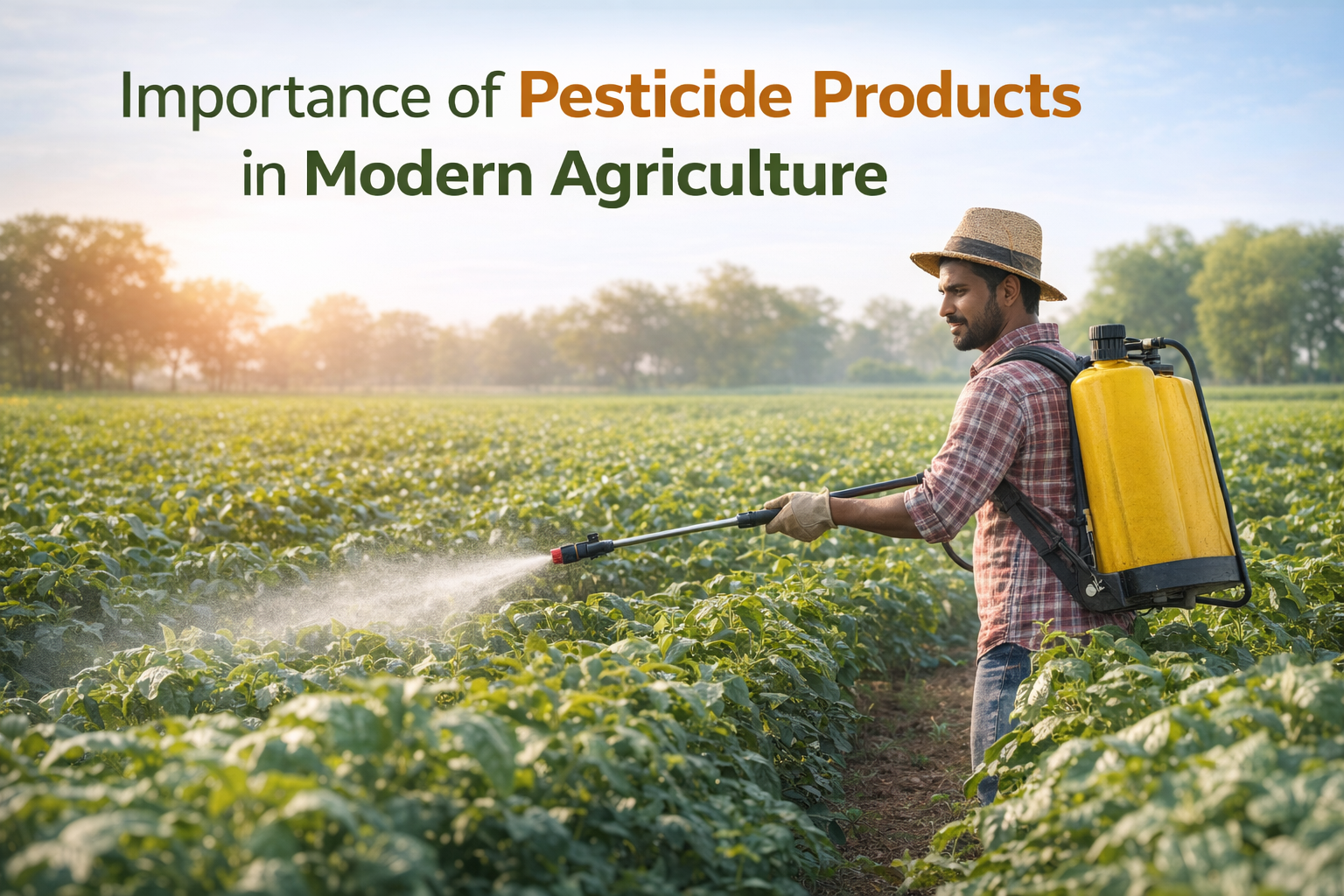
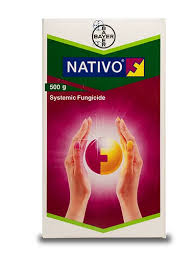
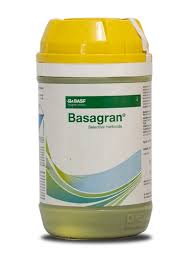
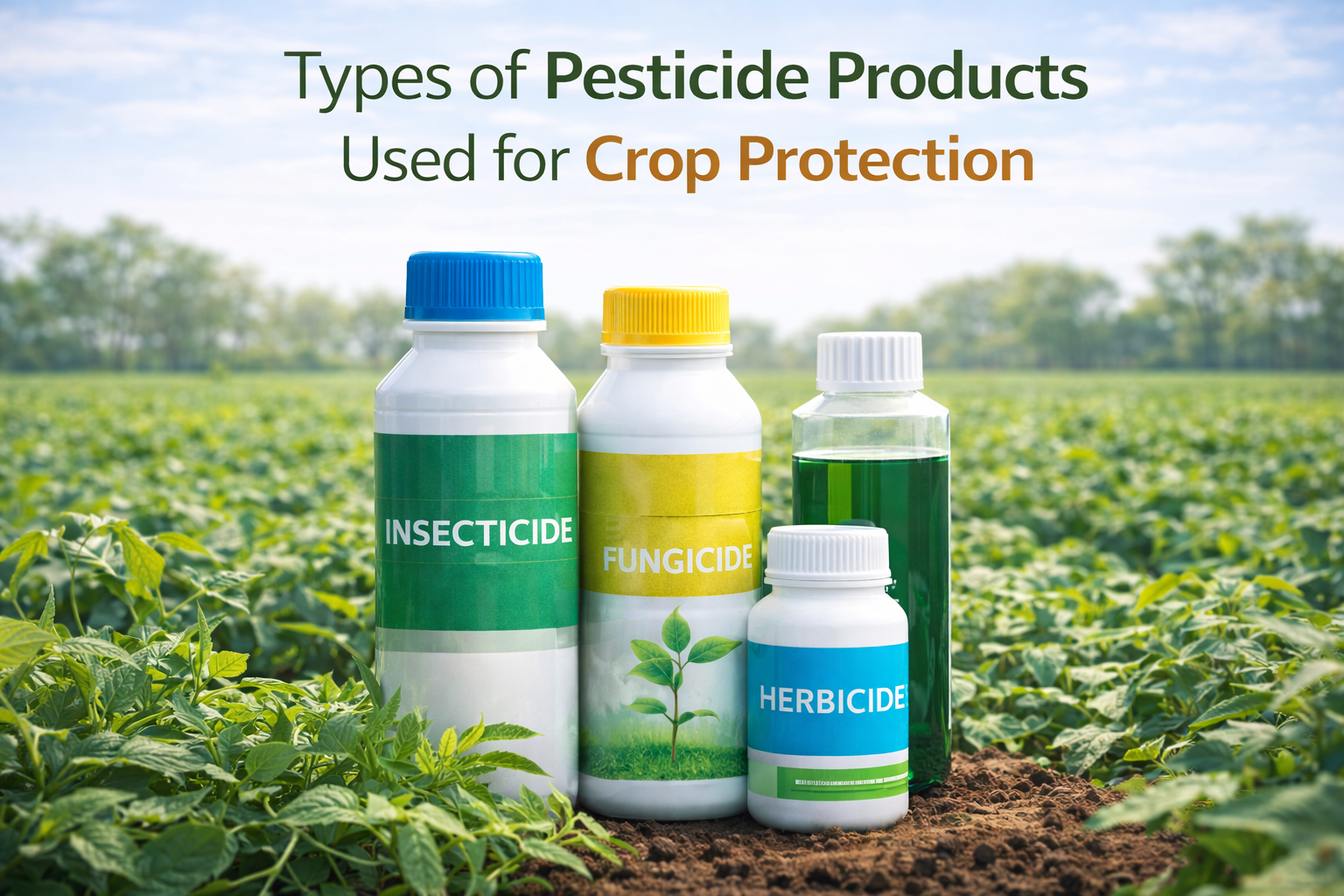
Pesticides are an indispensable, yet controversial, component of modern agriculture and crop protection, crucial for ensuring global food security by mitigating losses from pests, weeds, and diseases. This broad category of chemical and biological agents includes essential types classified by their target: herbicides to control unwanted weeds that compete with crops for vital resources, insecticides to manage destructive insect populations like aphids and caterpillars, and fungicides for preventing and treating fungal infections such as blight and rust. The strategic application of pesticides directly impacts farm productivity and yields, making them a necessary tool for large-scale farming operations seeking to maximize quality produce. However, the widespread and sometimes indiscriminate use of these substances raises serious environmental concerns, including potential water contamination, detrimental effects on non-target organisms like essential pollinators (especially bees), and risks associated with pesticide residues in food. Consequently, there is a growing emphasis on sustainable pest management techniques, such as Integrated Pest Management (IPM), which advocates for a balanced approach prioritizing biopesticides and cultural controls before resorting to synthetic chemicals. For the safety of the environment, farmworkers, and consumers, strict adherence to pesticide safety guidelines, proper handling and disposal protocols, and following the specific instructions on the pesticide label—including understanding terms like pre-harvest interval (PHI) and re-entry interval (REI)—is absolutely critical to minimize risks and promote a more sustainable future in farming.