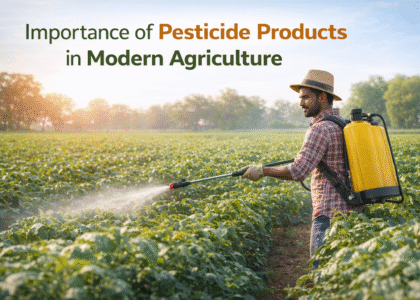
Understanding the different types of pesticide products is essential for effective crop protection and successful farming. Crops are constantly threatened by insects, diseases, and weeds, which can reduce yield, quality, and profitability. Each category of pesticide products targets specific agricultural problems, helping farmers maintain healthy crops throughout the growing season.
Modern agriculture relies on scientifically developed pesticide products that provide targeted action, improved efficiency, and support sustainable farming practices.
Importance of Pesticide Products in Crop Protection
Pesticide products play a vital role in protecting crops from biological threats that compete with or damage plants. Without proper pest control, crops may suffer severe losses, affecting food supply and farmer income.
Using the right pesticide products helps:
- Prevent crop damage at early growth stages
- Improve yield consistency and quality
- Reduce competition for nutrients and water
- Support uniform plant growth
Choosing the correct type of pesticide based on crop and pest pressure is critical for achieving the best results.
Major Types of Pesticide Products Used in Agriculture
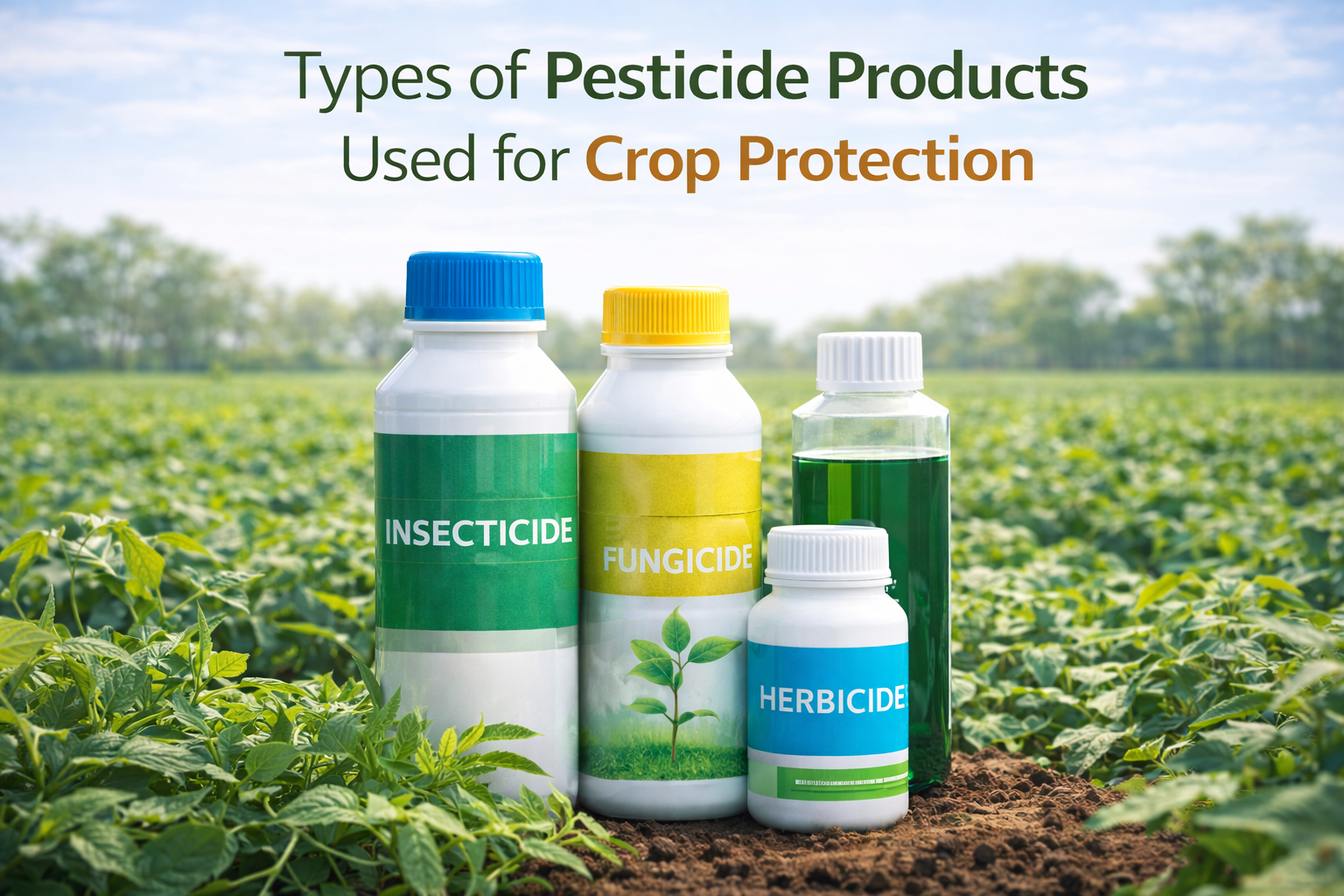
There are three primary categories of pesticide products widely used for crop protection: insecticides, fungicides, and herbicides. Each serves a specific purpose in modern farming.
Insecticides – Protection Against Harmful Insects
Insecticides are pesticide products designed to control insects that damage crops by feeding on leaves, stems, roots, flowers, and fruits. Insects can also act as carriers of plant diseases, making insect control essential.
Modern insecticides provide:
- Fast action against target pests
- Long-lasting protection when used correctly
- Improved crop health and vigor
When applied according to recommended guidelines, insecticides protect crops while minimizing harm to beneficial insects. Responsible use also helps prevent insect resistance and ensures long-term effectiveness.
Fungicides – Defense Against Fungal Diseases
Fungal diseases spread quickly and can destroy entire fields if left untreated. Fungicides are formulated to prevent and control diseases such as rust, mildew, blight, and leaf spot.
Benefits of fungicides include:
- Protection during critical growth stages
- Prevention of disease spread
- Improved crop appearance and quality
Timely fungicide application ensures uninterrupted crop growth and reduces yield loss caused by fungal infections. Advanced fungicides are designed to work efficiently with lower residue levels, supporting safer farming.
Herbicides – Effective Weed Management
Weeds compete with crops for sunlight, water, nutrients, and space. Herbicides are used to control unwanted plant growth that reduces crop productivity.
Herbicides help farmers:
- Maintain weed-free fields
- Improve nutrient availability for crops
- Achieve higher yields with less competition
Proper selection and application of herbicides allow crops to grow efficiently while minimizing environmental impact. Modern herbicides offer selective action, targeting weeds without harming crops.
Choosing the Right Pesticide Products
Selecting the right depends on several factors, including crop type, growth stage, pest severity, and environmental conditions. Farmers should always identify the problem accurately before application.
Best practices include:
- Using recommended dosage and timing
- Rotating pesticide products to prevent resistance
- Following safety and usage guidelines
- Responsible selection ensures effective pest control and long-term sustainability.
Role of Modern Pesticide Products in Sustainable Agriculture
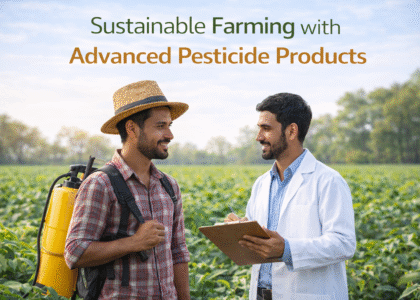
Today’s are developed with sustainability in mind. Advanced formulations offer targeted action, reduced chemical load, and improved efficiency. This minimizes residue and protects beneficial organisms such as pollinators Farmer consulting an agronomist in a healthy crop field.
When combined with integrated pest management (IPM) practices, pesticide products support soil health, biodiversity, and environmental balance. Sustainable use ensures productivity without compromising future agricultural potential.
Conclusion
Understanding the types of used for crop protection is key to successful and sustainable farming. Insecticides, fungicides, and herbicides each play a critical role in protecting crops from different threats.
By selecting the right and using them responsibly, farmers can achieve healthier crops, higher yields, and better profitability while supporting environmentally responsible agriculture.